JITC Digest – August 2026
In This Issue: Letter from the Editor | JITC Editor Picks | Popular Articles
How time flies and the summer abates! I would like to highlight
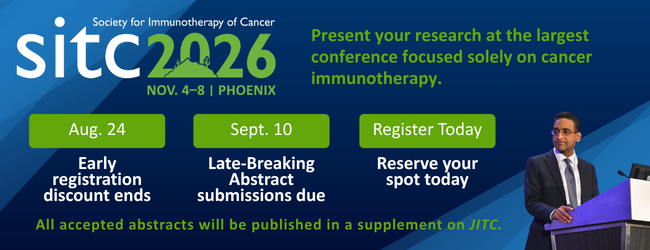
SITC 2026 and the early registration discount deadline coming up soon on August 24. I would encourage those who are still considering going, to register for the annual meeting, this year in Phoenix, Arizona and virtually from Nov. 4–8, 2026.
Where are we heading in Immuno-Oncology (IO)?
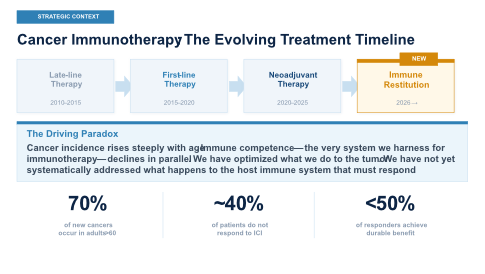
It is remarkable to see how far we have come in treating patients with cancer, no longer embarrassed to speak about true cures in patients with metastatic solid tumors. This had its start with interleukin-2 (IL-2) therapies in the ’80s but realized more broadly in the setting of multiple tumor types with the demonstrated utility of immune checkpoint blockade fifteen years ago, first in late-line therapy. Ten years ago, this was realized in earlier treatment with chemotherapy combinations in first-line therapy, and most recently, in the last five years, with successful application of so-called neoadjuvant (pre-operative) therapy in patients with non-small cell lung cancer and melanoma and, I believe, soon, in many other disease settings.
We now have a unique opportunity to consider at
JITC what comes next. To that end, we are exploring means for what we have termed “immune restitution”, the means to recover or limit the progressive loss of thymic output and B and T cell repertoire diminution with age, leading in many individuals to emergence of formerly “checked” but now unchecked malignancies. We would like to couple this with a focus on cancer prevention and welcome commentary from our readership and SITC membership on how and what our focus could be, soliciting articles on “Immune Restitution and Cancer Prevention”. As a start we include
papers published in our journal, largely on cancer prevention, in the last three years. We welcome your commentary on this approach for our
Journal!
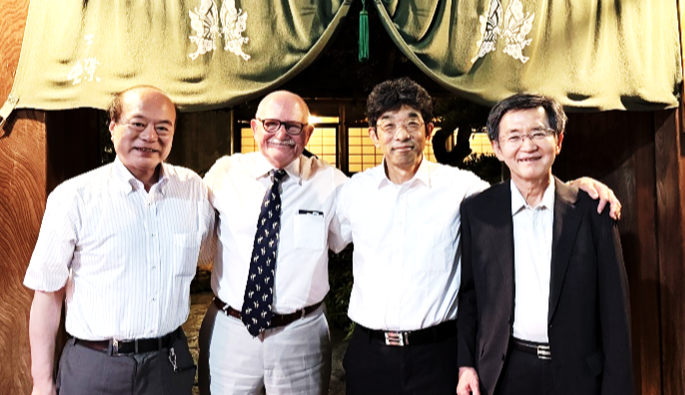
Shown left to right are Drs. Kawakami, Lotze, Fujii and Kadowaki.
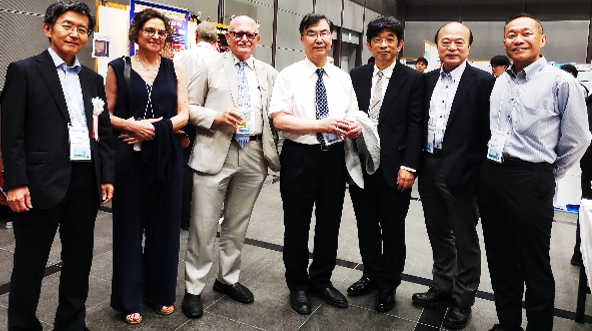
Kadowaki, Piaggio, Lotze, Sakaguchi, Fujii, Kawakami, Ikeda.
Last month, I visited Takamatsu, Japan, and had a chance to meet my former postdoctoral fellows, Shin-ichiro Fujii and Yutaka Kawakami. The meeting was organized by 2026 JACI Annual Meeting President/Chair Norimitsu Kadowaki (Kagawa University) with Vice Presidents Kensuke Kumamoto and Akihito Tsuji. The meeting included a special lecture on “Regulatory T cells for Cancer Immunotherapy” presented by Nobel Laureate Shimon Sakaguchi and chaired by JACI president, Hiroaki Ikeda. Presenting as well on “Tumor-activated Tregs and CD74: Single-Cell Insights into Cancer Immunity” was Eliane Piaggio, INSERM Research Director from the Institut Curie Research Center. We were also fortunate to have our fill of udon, the region's wheat-based noodle dish, on the final night.
Themed “Cancer vs. Immunity – Unraveling the Dynamics of the Battle,” the event explored tumor microenvironments, antibody engineering, and immunotherapy resistance.
JACI partnered with the
Society for Immunotherapy of Cancer (SITC) on two joint symposia, with the first including a presentation by Lili Yang from the Department of Microbiology, Immunology and Molecular Genetics at UCLA on “From Brain to Cancer: Harnessing Serotonin and Antidepressants for Immunotherapy” expanding on the exciting work that she presented in part at SITC’s annual meeting in 2025.
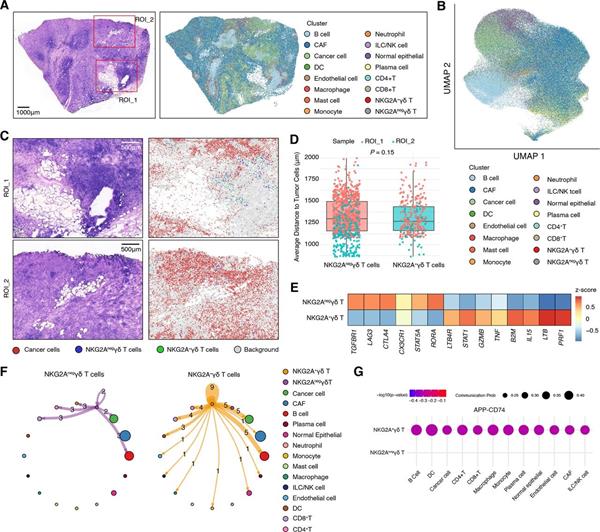
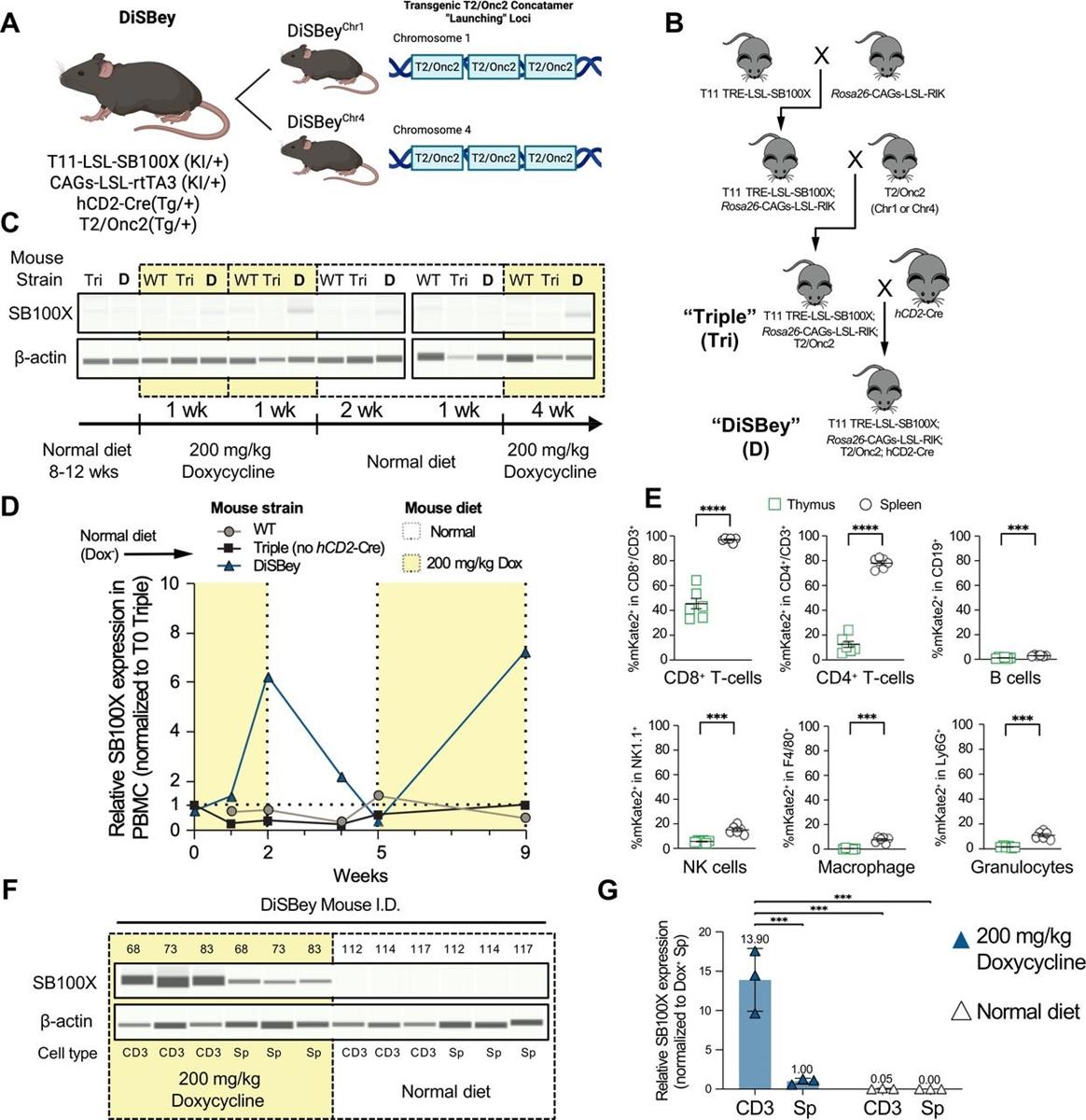
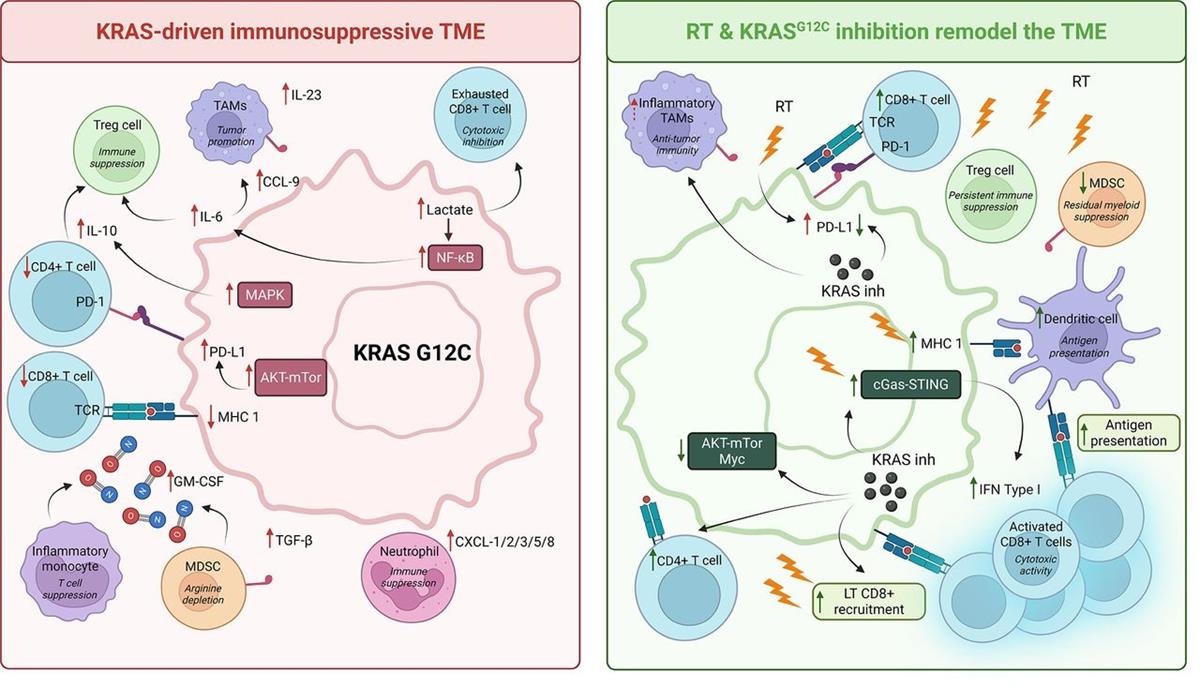
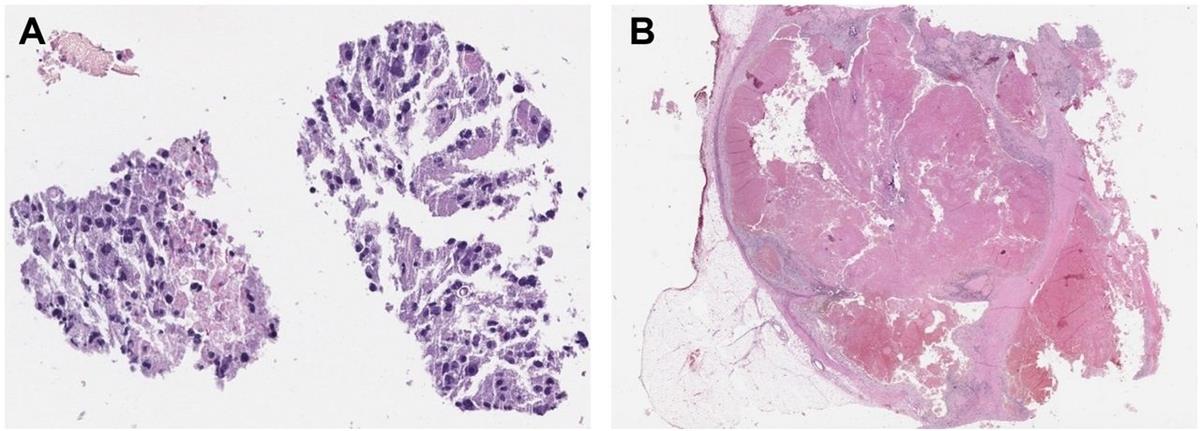
This month, I thought that I would focus on strategies designed to target early tumors with a focus on T cells and enhancing their biologic activity in vivo. This includes Sleeping Beauty mutagenesis to identify genes that regulate T cell persistence under chronic antigenic stimulation and a review on RAS signaling in the setting of radiation therapy, increasingly important as the next generation of immune-active pan-KRAS inhibitors advance in the clinic (and potentially moving into earlier and earlier treatment and possibly prevention). The critical role of γδ cells at an adipose-early breast cancer interface, consistent with their “normality” sensing role seems quite interesting as well. NKG2A+γδ T cells were preferentially enriched in ductal carcinoma in situ and early-stage breast cancer, associated with favorable clinical outcomes in several adipose-enriched tumors (sarcoma, bladder, colon and liver cancers). Finally, a case report of a remarkable renal premalignant lesion treated with combination immune checkpoint blockade, potentially pointing the way to even earlier application of immune restitution strategies!
Regards,

Michael T. Lotze, MD, FACS, FAIO
Editor-in-Chief
Journal for ImmunoTherapy of Cancer

JITC Editor Picks
Adipocyte-derived LTB4 programs human NKG2A+ γδ T cells as cytotoxic sentinels at the adipose-tumor interface in breast cancer
From the Authors – What this study adds:
- Using transcriptional and spatial profiling, we identified a distinct population of NKG2A+γδ T cells with predominant Vδ2 T-cell receptor usages in peritumoral adipose tissue, unlike Vδ1 T cells.
- NKG2A+γδ T cells exhibit potent cell-killing capacity, and interact with antigen-presenting cells to support local immune surveillance.
- Leukotriene B4, a lipid signal, is predominantly produced by peritumoral adipocytes and specifically activates γδ T cells via the STAT1 signal to promote their cytotoxicity.
Sleeping Beauty mutagenesis identifies BACH2 and other regulators of CD8+ T-cell exhaustion, persistence in vivo, and CAR-T cell function under tumor-associated chronic antigen stimulation
From the Authors – What this study adds:
- First use of controllable Sleeping Beauty (SB) mutagenesis to identify functional mechanisms beneficial to improve engineered T-cell functionality. Bach2-activated transposon-induced mutations were enriched in SB-mutant cells with improved persistence under chronic TCR stimulations.
- Bach2 ectopic overexpression (OE) improved the transferred CD8+ T-cell tumor persistence in the immune-competent B16-Ova model. Low ectopic Bach2 OE improved persistence by fine-tuning stemness and effector programs, while high ectopic Bach2 OE forced into less-functional memory phenotype.
- In human CD19-28ζ chimeric antigen receptor (CAR)-T cells, BACH2 OE sustained superior tumor control and survival after repeated target stimulation.
RAS signaling at the crossroads of radioresistance and tumor immunity
From the Authors – Abstract:
- RAS mutations are among the most prevalent oncogenic drivers in solid tumors and are consistently associated with suboptimal responses to radiation therapy (RT). Within this family, KRAS is the dominant isoform and a central regulator of tumor stress adaptation. Increasing evidence indicates that oncogenic KRAS orchestrates radioresistance through coordinated tumor-intrinsic and microenvironmental mechanisms. Cell-intrinsically, KRAS enhances DNA damage repair, replication stress tolerance, redox buffering, and ferroptosis defense. The KRAS–NRF2–53BP1 axis exemplifies this program by accelerating non-homologous end joining and enabling rapid repair of radiation-induced DNA double-strand breaks. Concurrently, KRAS reshapes the tumor microenvironment by promoting myeloid recruitment, metabolic rewiring, impaired antigen presentation, and immune checkpoint upregulation, thereby constraining the immunogenic effects of RT. The rapid evolution of RAS-directed therapeutics, including allele-specific, ON-state, dual-state, and pan-RAS inhibitors, as well as emerging degraders and molecular reprogramming strategies, has transformed a historically “undruggable” target into a clinically actionable vulnerability. Preclinical evidence indicates that KRAS inhibition can restore radiosensitivity and partially recondition antitumor immunity. However, adaptive resistance frequently converges on MAPK pathway reactivation and persistent immune suppression. Integrating next-generation RAS inhibitors with RT and immune-directed therapies may therefore represent a critical strategy for achieving durable tumor control in KRAS-mutant cancers.
Complete response to dual immune checkpoint blockade in a patient with Birt-Hogg-Dubé syndrome and epithelioid angiomyolipoma
From the Authors – Abstract:
- Epithelioid angiomyolipoma (E-AML) is a rare renal tumor, which can exhibit malignant potential. Because angiomyolipomas frequently harbor TSC1/TSC2 alterations, mTOR inhibitors are commonly used. However, durable disease control remains inconsistent. The potential for long-lasting response with immune checkpoint inhibitors supports exploring their role in E-AML. We report a patient with highly symptomatic, locally advanced renal E-AML treated with first-line ipilimumab plus nivolumab. The patient experienced rapid symptomatic and radiographic improvement after treatment initiation. She subsequently developed immune-related sarcoidosis, which resolved after discontinuation of immunotherapy and with corticosteroids. Given sustained disease control, she underwent delayed nephrectomy demonstrating complete pathologic response in the primary tumor. Genomic analysis revealed a germline mutation in FLCN consistent with Birt-Hogg-Dubé syndrome. T-cell receptor sequencing identified a shared expanded T-cell clone in peripheral blood and within the tumor. With extended follow-up for over 5 years, she remains in durable remission after dual immune checkpoint blockade. To our knowledge, this is the first report of dual immune checkpoint blockade in renal E-AML. This case demonstrates that first-line ipilimumab plus nivolumab can induce deep, durable response—including complete pathologic response—in a rare malignancy with limited standard treatment options, supporting further evaluation of immunotherapy in this disease.
The selections below represent some of the most popular content published in JITC over the past two years. Explore additional thematic content in JITC's Collections or access the rest of JITC's archives for a look at all the journal has to offer.
As a way to thank the SITC members who work tirelessly to advance the science and improve the lives of cancer patients, SITC members who are first, last, or corresponding authors on
JITC articles at the time of acceptance will receive discounted Article Processing Charges (APCs). This discount is applied post-acceptance, at which point a discount code is shared with the corresponding author.
Learn more.
JITC also offers full waivers for the full APC (100% discount of the APC) where all authors are based in low-income countries (see policy). Requests for waivers must be made prior to submission. For additional information regarding these discounts, as well as institutional arrangements and editor/reviewer discounts, view the
journal's APC policy. Additional questions may be directed to
JITCEditor@sitcancer.org.